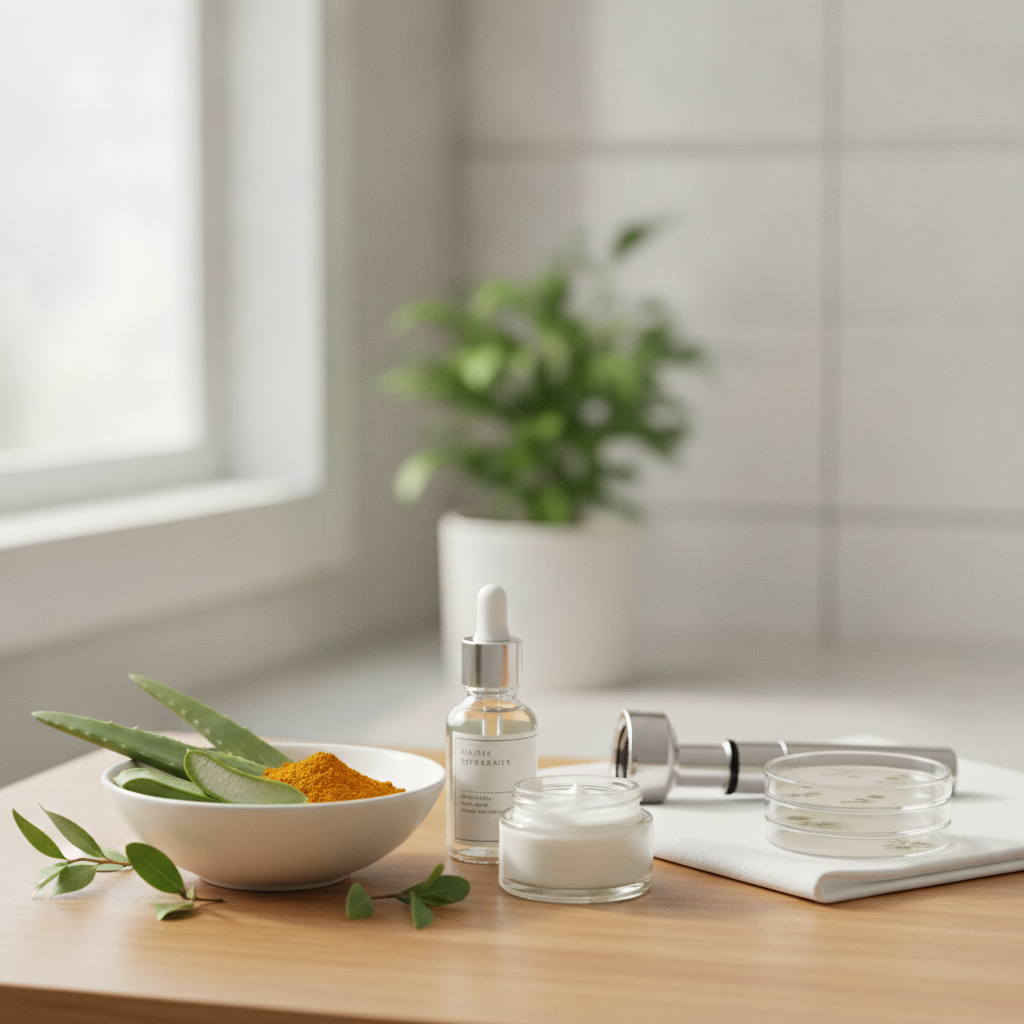
The Skin Barrier Function
Skin represents your primary defense against environmental pathogens. The stratum corneum outer layer acts as a barrier, resisting pathogen penetration. Maintaining barrier integrity prevents most skin infections.
Breaks in skin integrity allow pathogen entry. Even microscopic cuts provide portals for bacterial and fungal organisms. Proper wound care immediately after injury prevents infection establishment.
Moisture Management
Excessive moisture creates conditions favoring fungal and bacterial growth. Maintain dry skin particularly in skin folds where moisture easily persists. Dry thoroughly after bathing, and change damp clothing immediately.
Conversely, excessively dry skin cracks and breaks integrity, allowing pathogen invasion. Moisturizing dry skin improves barrier function. The goal is balanced moisture, not excessive dryness or wetness.
Hygiene Practices
Regular bathing removes bacteria and fungal organisms from skin surface. Daily or every-other-day bathing suits most people. Excessive bathing disrupts normal bacterial flora and removes protective skin oils.
Use warm, not hot, water as heat damages skin barrier. Gentle cleansing with mild soap effectively removes pathogens without disrupting barrier. Harsh scrubbing damages skin integrity.
Wound Care Fundamentals
Minor cuts and scrapes require proper care to prevent infection. Clean wounds immediately with soap and water to mechanically remove bacteria. Cover with antibiotic ointment and bandage to promote healing and prevent contamination.
Watch for signs of infection including increasing redness, warmth, swelling, or pus production. Infections progressing beyond minor localized involvement warrant professional evaluation.
Nail and Foot Care
Trim nails appropriately to prevent ingrown nails and trauma. Avoid nail trauma through careful trimming and cautious activities around sharp objects.
Inspect feet daily for cuts, cracks, and signs of fungal infection. Early intervention prevents progression. Those with diabetes require particularly diligent foot care given elevated infection and complication risk.
Clothing and Footwear
Wear breathable fabrics that allow sweat evaporation. Moisture-trapping synthetic materials promote bacterial and fungal growth. Natural fibers including cotton provide superior moisture management.
Choose shoes with adequate ventilation. Tight, poorly ventilated footwear increases fungal infection risk substantially. Athletic shoes encourage moisture accumulation; consider sandals when possible for foot health.